Survival Story Wilsons Prom
Survival Story: PLB Saved Kayaker at Wilsons Prom
“Within minutes local police, Coastguard, the State Police Search and Rescue team and AMSA were checking in. Fifty five minutes later my mate was winched to safety and transported to the nearest hospital.“
It started with a simple text to my mate. “I feel like I’m overdue for a proper adventure. How adventurous are you feeling? Fancy a sea kayak trip down the stunning east coast of Wilson’s Promontory National Park?”
My mate had experienced some medical episodes a couple of years earlier but had been symptom-free for more than nine months and was keen to get back outdoors. We decided to start cautiously with a day trip to see how his body would cope.
We set out mid morning under a steady westerly of about 15 knots, following the outgoing tide through Corner Inlet, a network of mangroves, mud banks, seagrass beds and rocky islands along the northern coastline of Wilson’s Promontory.
By lunchtime we were in trouble. My mate said he was feeling unusually cold and could not warm up. We pulled onto a sandbank and layered him with extra clothing and snacks to help raise his temperature. Despite adding multiple thermal layers, a down jacket and shelter from the wind, he continued to deteriorate.
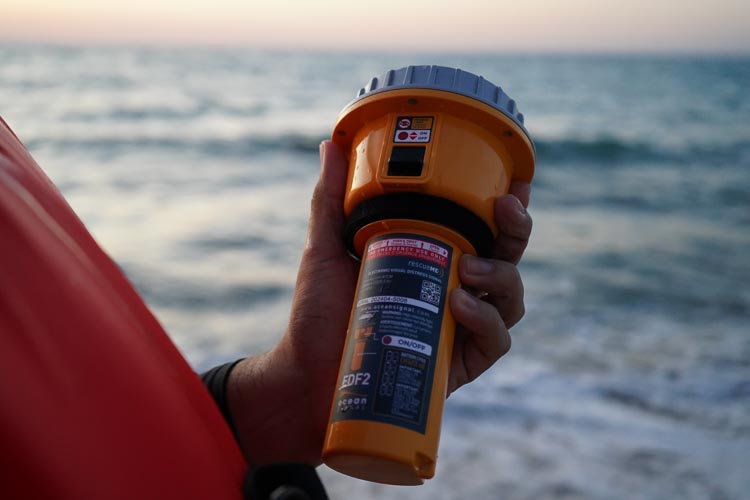
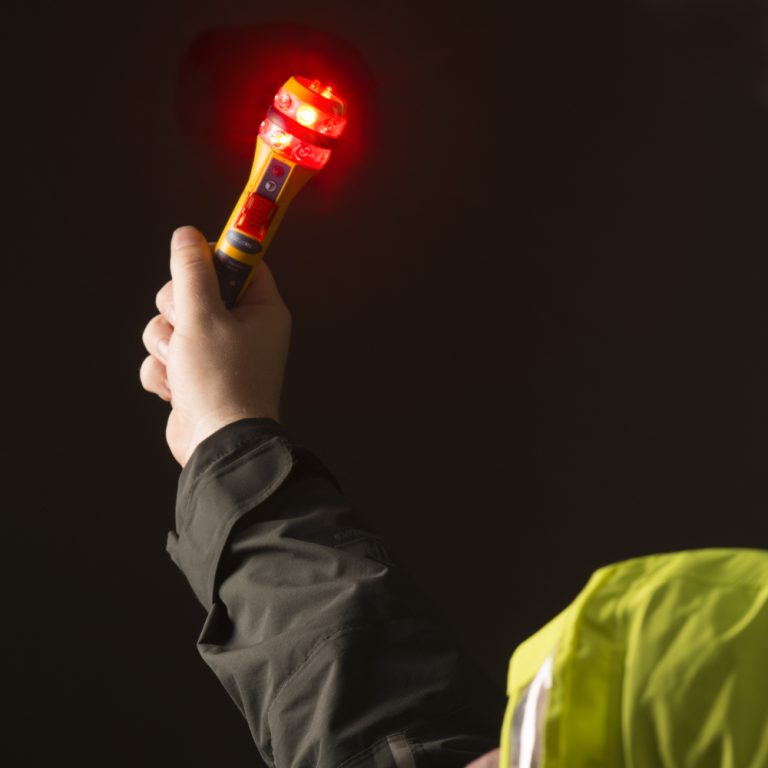
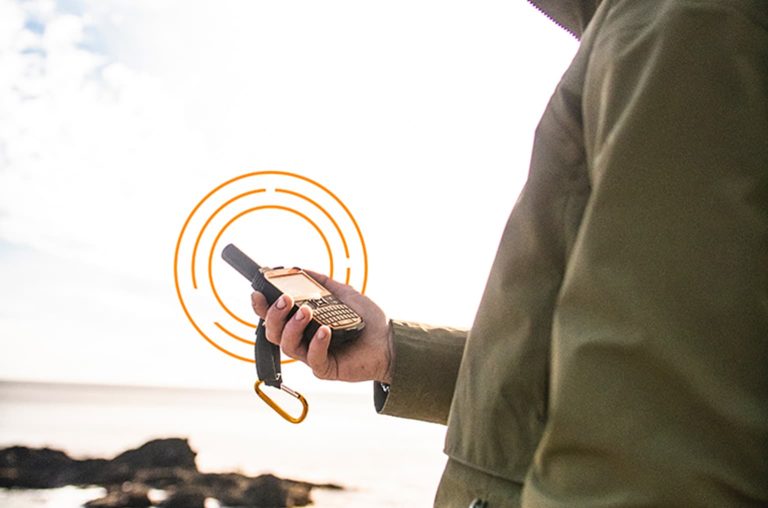
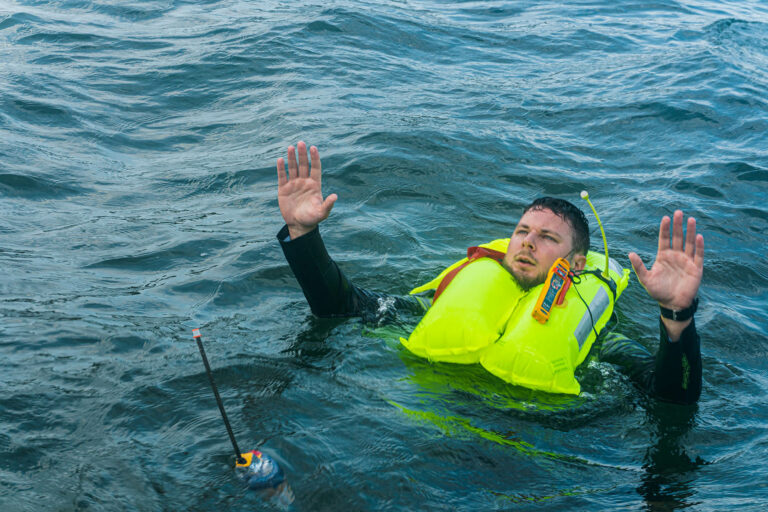
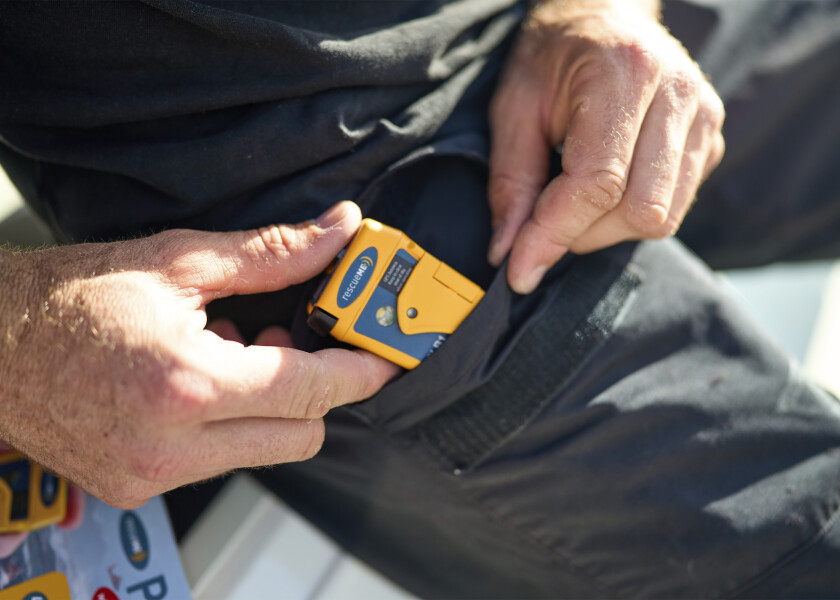
I have worked as a paramedic for 28 years but this was the first time I had needed to call for a rescue myself. The tide was coming in and the sandbank was shrinking while wind and spray made communication difficult on my phone. The emergency operator asked me to activate my Personal Locator Beacon and an ambulance helicopter was dispatched from about 70 km away.
Within minutes local police, Coastguard, the State Police Search and Rescue team and AMSA were checking in. Fifty five minutes later my mate was winched to safety and transported to the nearest hospital.
Words of Wisdom
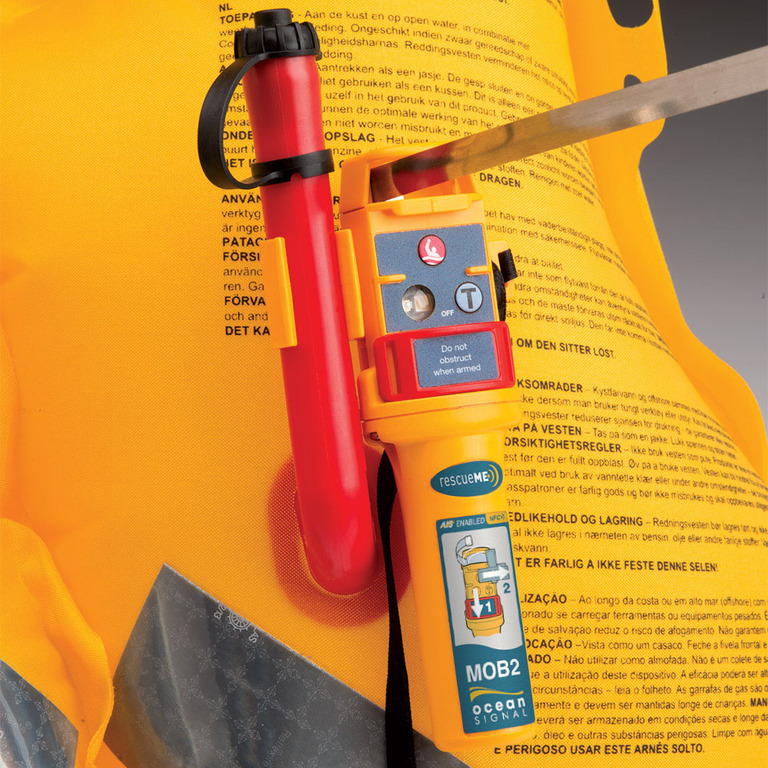
Plan for the ‘what if?’. For sea kayakers that means if it’s not attached to your PFD or in one of your PFD pockets then it potentially won’t be with you when you really need it when things go sour.