Class M Explained: What Has Changed in MOB Beacons
CLASS M: How does it affect you?
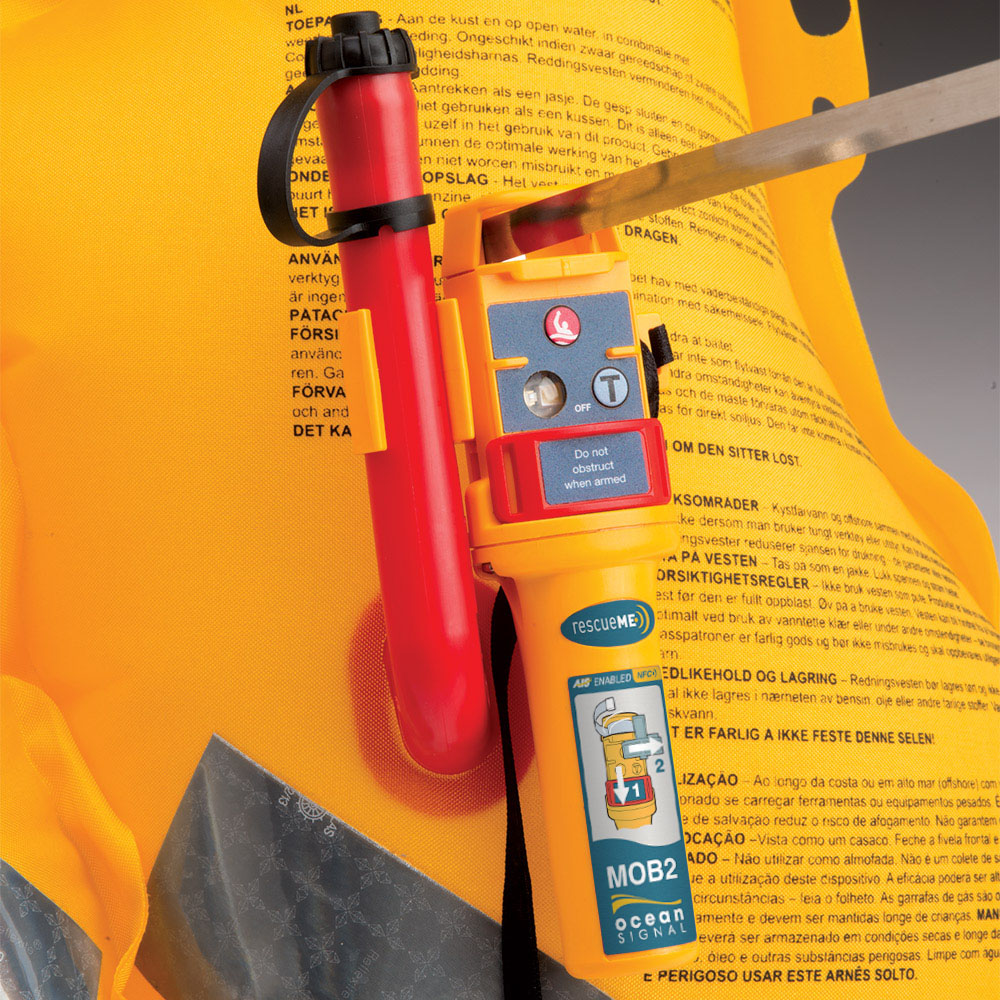
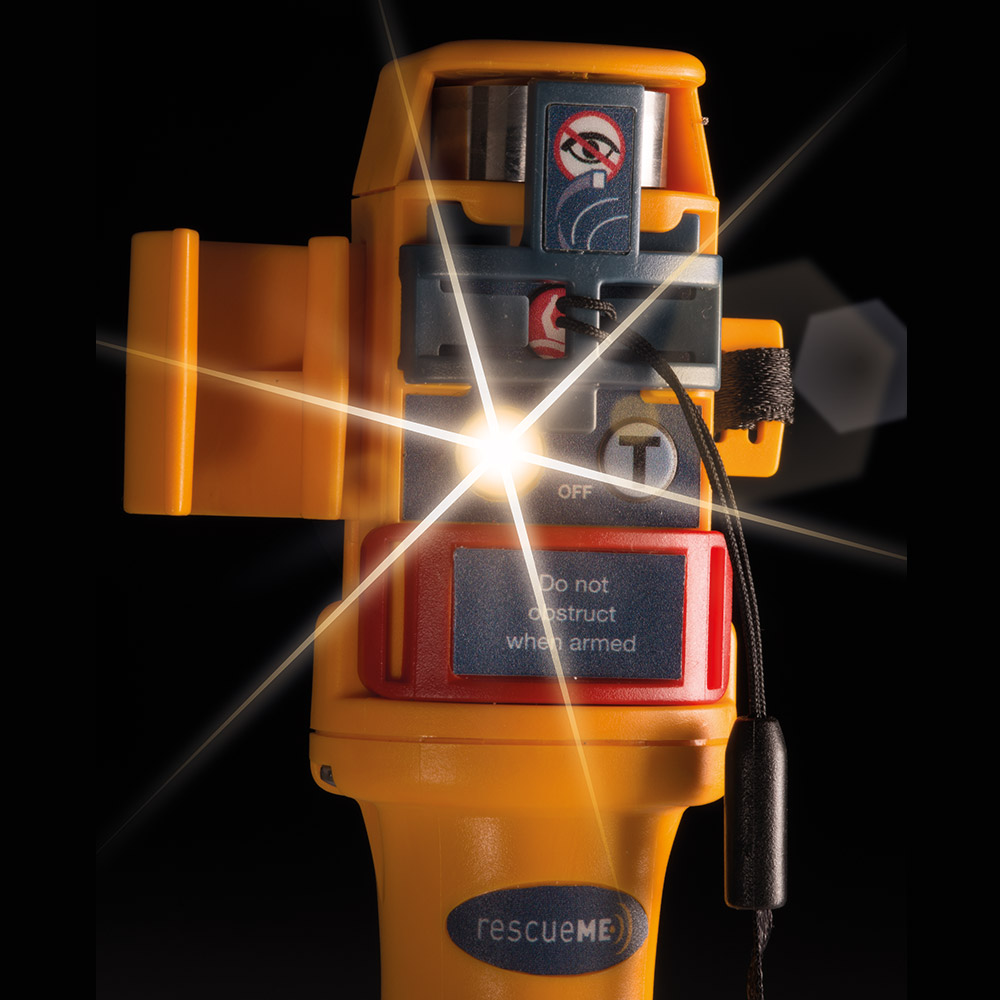
While the Ocean Signal MOB1 does incorporate DSC distress alerting (it contains a DSC transmitter), it does not contain a DSC receiver (making the MOB1 non-Class M compliant). Based on the Class M regulation which came into affect in some countries on the 1st January 2025, Ocean Signal introduced the MOB2.
Making it simple
Before Class M, many AIS MOB devices simply transmitted an AIS message without interacting with other communication systems onboard vessels. Over time issues came apparant:
AIS Channel Congestion– AIS Channels 1 and 2 are primarily intended for vessel traffic and safety-related communications. However, increasing numbers of AMRDs such as fishing gear markers and AIS beacons were beginning to flood the network with signals. This raised concerns that critical navigation data could become harder to detect or prioritise.
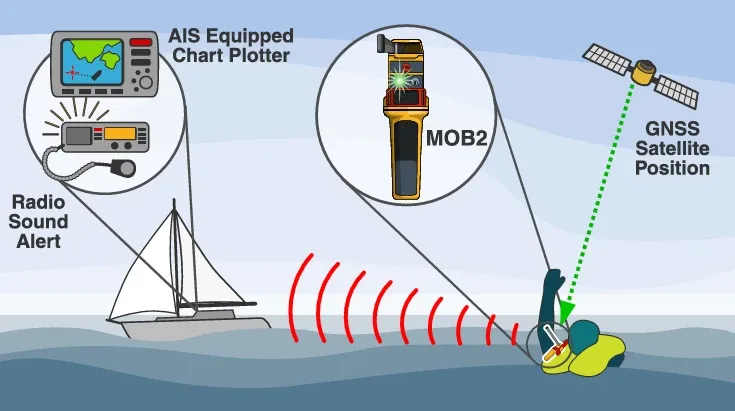
Limited Alerting Capability– Earlier AIS-only MOB devices relied on nearby vessels noticing the AIS target appearing on their chartplotter. In busy or stressful situations, this alert might go unnoticed. By requiring Digital Selective Calling (DSC) distress alerts, the Class M standard ensures that nearby VHF radios sound an audible alarm, significantly increasing the chance that the emergency will be recognised immediately.
Does this affect Australia?
To put it simply, not yet… If Australia follows the likes of Europe (Depending on which country), you could see non Class M compliant devices be no longer sold, such as the Ocean Signal MOB1. The significance of implementation of the Class M regulation for existing MOB1 owners is that MOB1 beacons may no longer be used in countries that have implemented the new regulation. Due to the above, the Ocean Signal MOB1 will slowly become obsolete and the MOB2 will be the only MOB beacon available for purchase.